 Hand it over
Water heater pilot light keeps going out in Utah
Send the request today and stop worrying about who to call.
A pilot that won't stay lit usually comes down to one of a few things: a dirty thermocouple, a weak thermocouple, a draft hitting the pilot assembly, or a clogged orifice. Sometimes it's a sign the gas valve itself is failing. None of these are things you can tell apart just by looking at the flame.
In Utah, most water heaters run on gas, so this isn't a rare problem. It also isn't one to let sit. A pilot that keeps dying means the safety shutoff is doing its job, cutting gas when it senses the flame isn't holding. That's the system working correctly. But it also means you're without hot water until someone sorts out why the flame won't stay.
Relighting it yourself buys a few hours, maybe a day, before it goes out again. The actual fix means a contractor checking the thermocouple's position and output, looking at the venting for backdrafts, and inspecting the gas valve. That's diagnostic work with tools, not a tutorial.
Finding that contractor is usually the part that eats your afternoon. Looking up plumbers who handle gas water heaters, calling a few, explaining the pilot issue each time, waiting to hear who's licensed for gas work and who can actually come out. Send this page's form instead and that search is no longer something you have to do. You explain the problem once, here, and the matching happens without you working the phone.
What you get back is the thing most people actually want when a pilot keeps going out: the problem handed to someone who fixes it for a living, and your evening free to do something other than relight a water heater every two hours.
A pilot light that keeps going out usually means the thermocouple isn't sensing the flame right anymore, either coated in soot or worn out from age, so the gas valve shuts off the pilot as a safety measure. It can also mean a draft is reaching the pilot assembly, which matters in Utah homes where a water heater sits in a garage or unheated space exposed to outside air. A clogged pilot orifice causes the same thing: the flame burns too small or too weak to keep the thermocouple warm. Relighting it yourself might work for a day or two, but if it keeps happening, the part causing it needs to be checked and likely replaced. A gas water heater that won't hold a pilot isn't heating water reliably, and leaving it alone risks it failing to light at all.
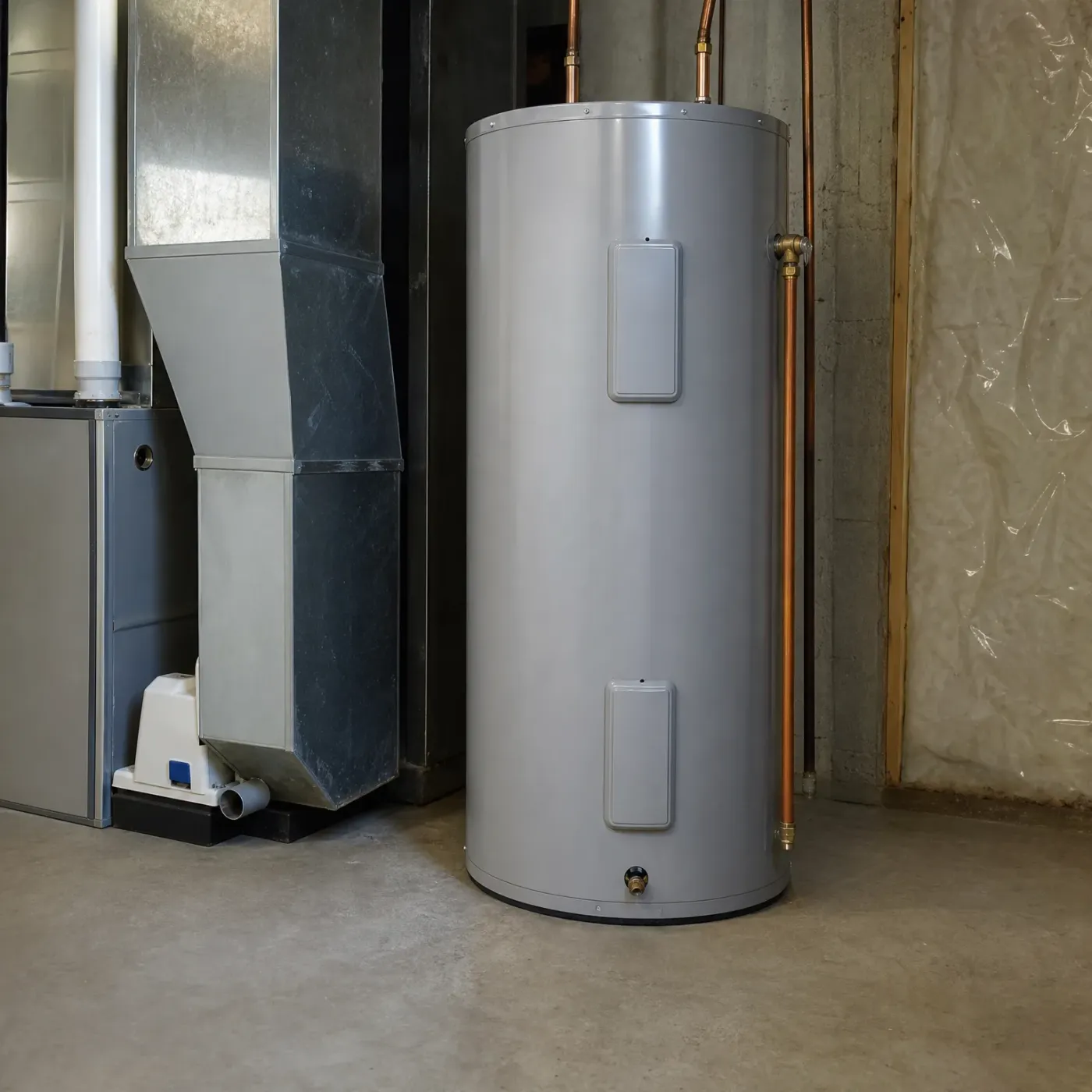
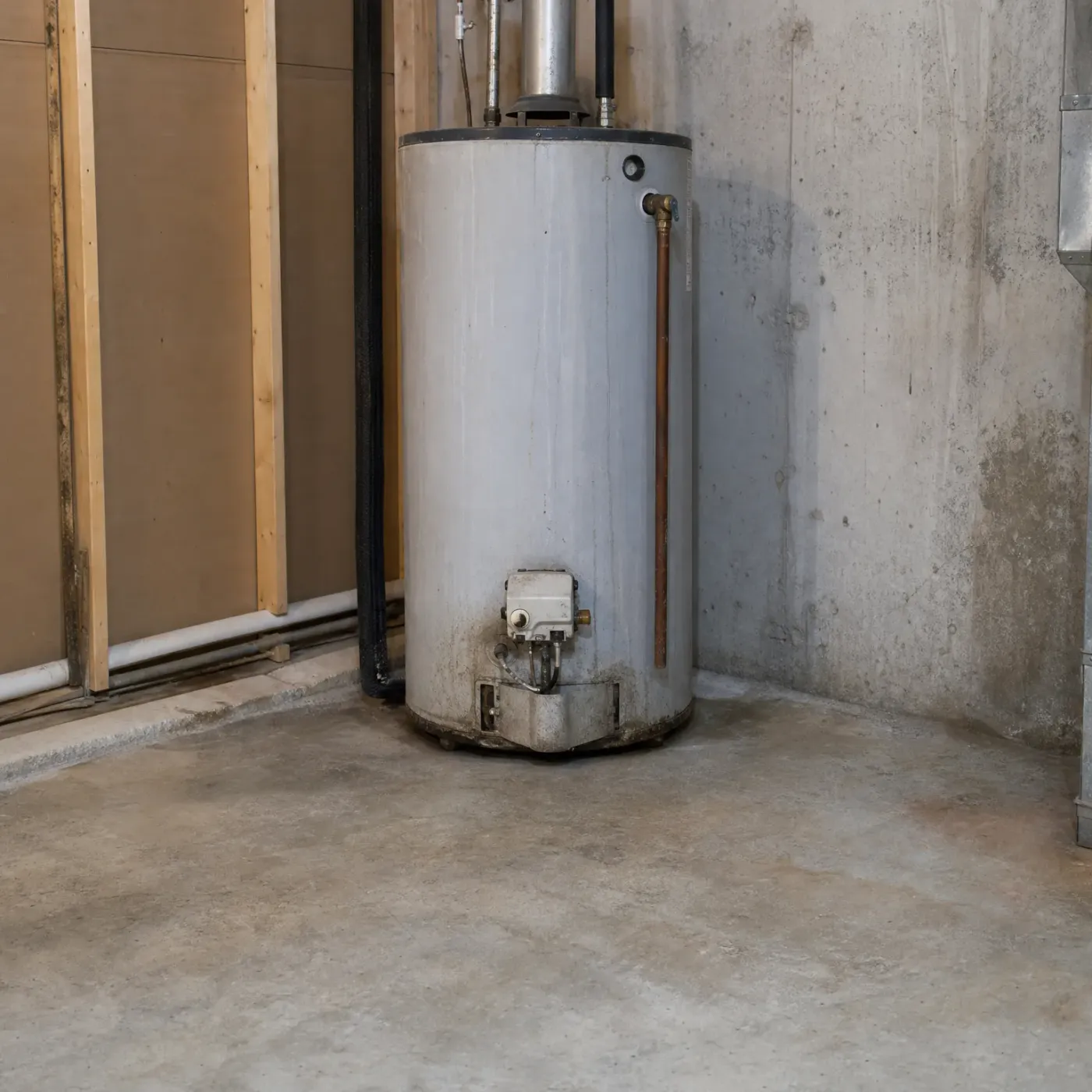
The pilot assembly works on a simple safety idea. A thermocouple sits in the flame and makes a small electric current, just enough to tell the gas valve to stay open. No current, no gas. That's by design, so a dead pilot can't leave gas flowing with nothing to light it. Soot on the tip, a rod that's drifted out of the flame, or a loose connection at the valve all read the same way to the valve: no flame. So it shuts off, usually within seconds, and from where you're standing it just looks like the pilot quit. Corrosion at the fitting where the thermocouple screws in can cause the same thing even when the rod itself is fine, which is why cleaning the tip doesn't always fix it. Worth a look too is the color of the flame. A healthy pilot burns blue. One that's mostly orange isn't putting enough heat on the thermocouple tip, and the valve will read that as a weak or missing flame.
How the thermocouple controls the pilot
- The thermocouple is a thin copper rod that sits right in the pilot flame and generates a tiny electric current to hold the gas valve open.
- If the tip gets coated in soot or moves even slightly out of the flame, the current drops and the valve reads that as no flame at all.
- That reading triggers the valve to cut gas to the pilot within seconds, which is why the flame looks like it just dies on its own.
- A loose thermocouple connection at the gas valve can cause the exact same shutoff even when the rod itself is clean and sound.
- Rust or corrosion around the fitting where the thermocouple screws into the valve will weaken that connection over time.
- The flame itself tells you something: a pilot burning more orange than blue usually means it's not heating the thermocouple tip enough to hold the valve open.




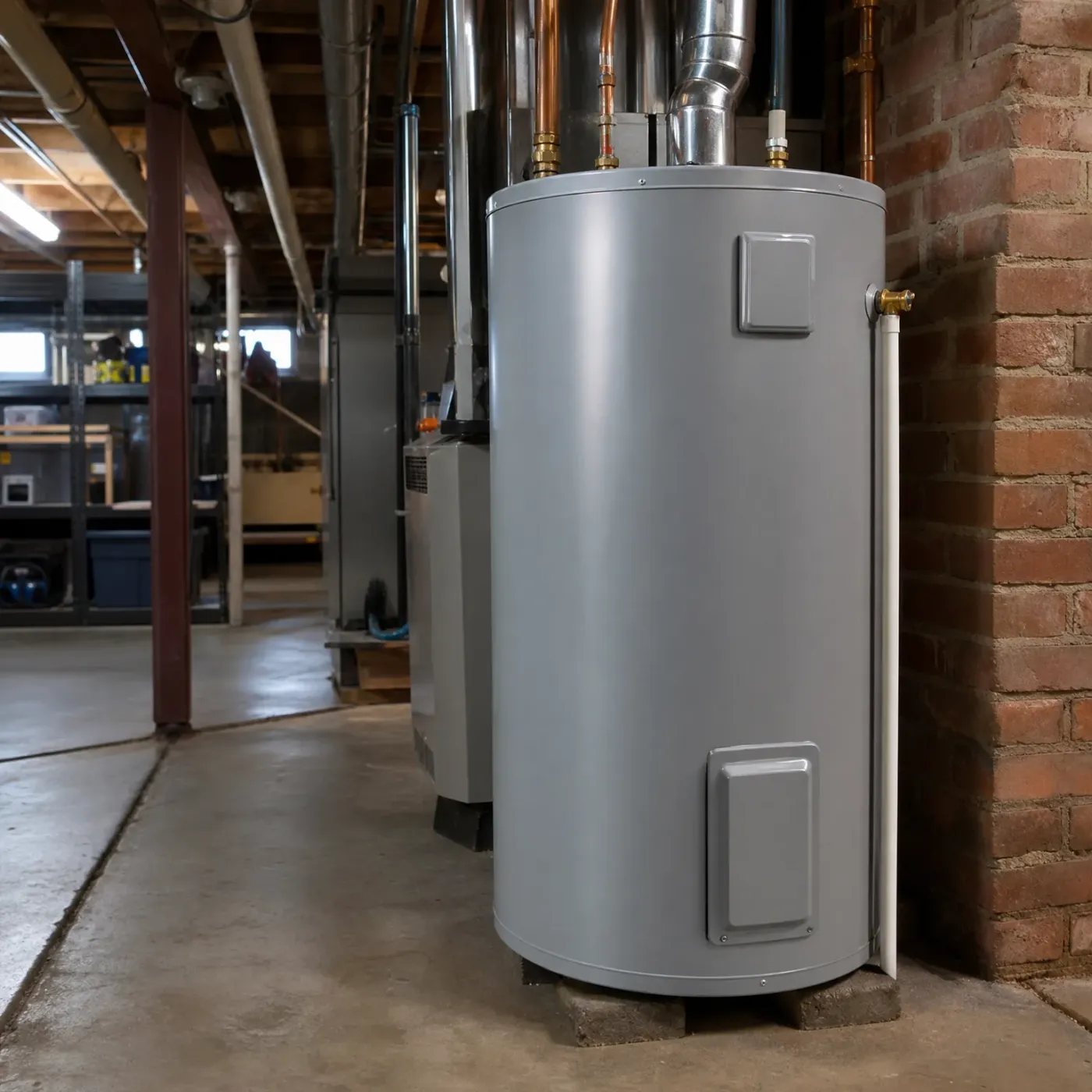
Hand off the water heater problem
Fill out one short form instead of calling around.
Send the request today and let a water heater pro reach out to you.
Sending the form costs nothing.
Relight It or Get It Checked
Fix it yourself
- Relighting the pilot takes a few minutes if you follow the steps printed on the tank's panel.
- If it stays lit after that, the problem may have been air in the line or a draft that's since settled.
- You still need to find and clear whatever's blocking airflow around the pilot assembly, like lint or a stored box pushed too close.
- If it goes out again within a day or two, relighting it again won't fix a failing thermocouple.
- A gas valve that's starting to fail isn't something a reset solves, no matter how many times you relight the pilot.
Have it looked at
- A contractor can test the thermocouple's millivolt output and tell you in minutes whether it's weak or just dirty.
- If the orifice is clogged, clearing it takes the right tool and knowing not to widen the opening.
- A licensed contractor working with gas lines in Utah has to meet state licensing requirements that a homeowner troubleshooting alone doesn't.
- If the gas valve itself is the problem, that's a part swap, not a cleaning job, and it needs the right replacement for your tank.
- Getting it checked now means you're not relighting a pilot every few days until it fails for good, usually without hot water.
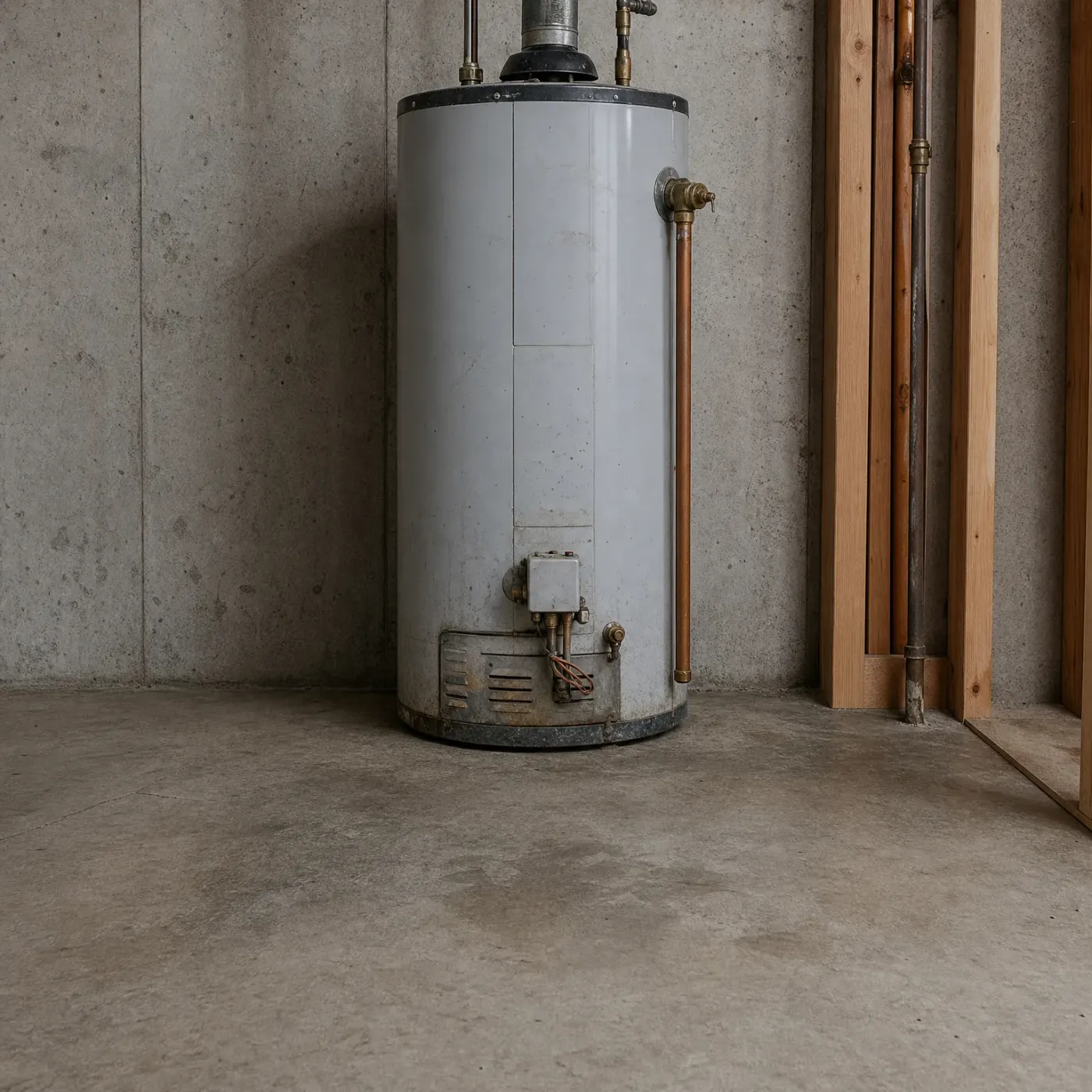
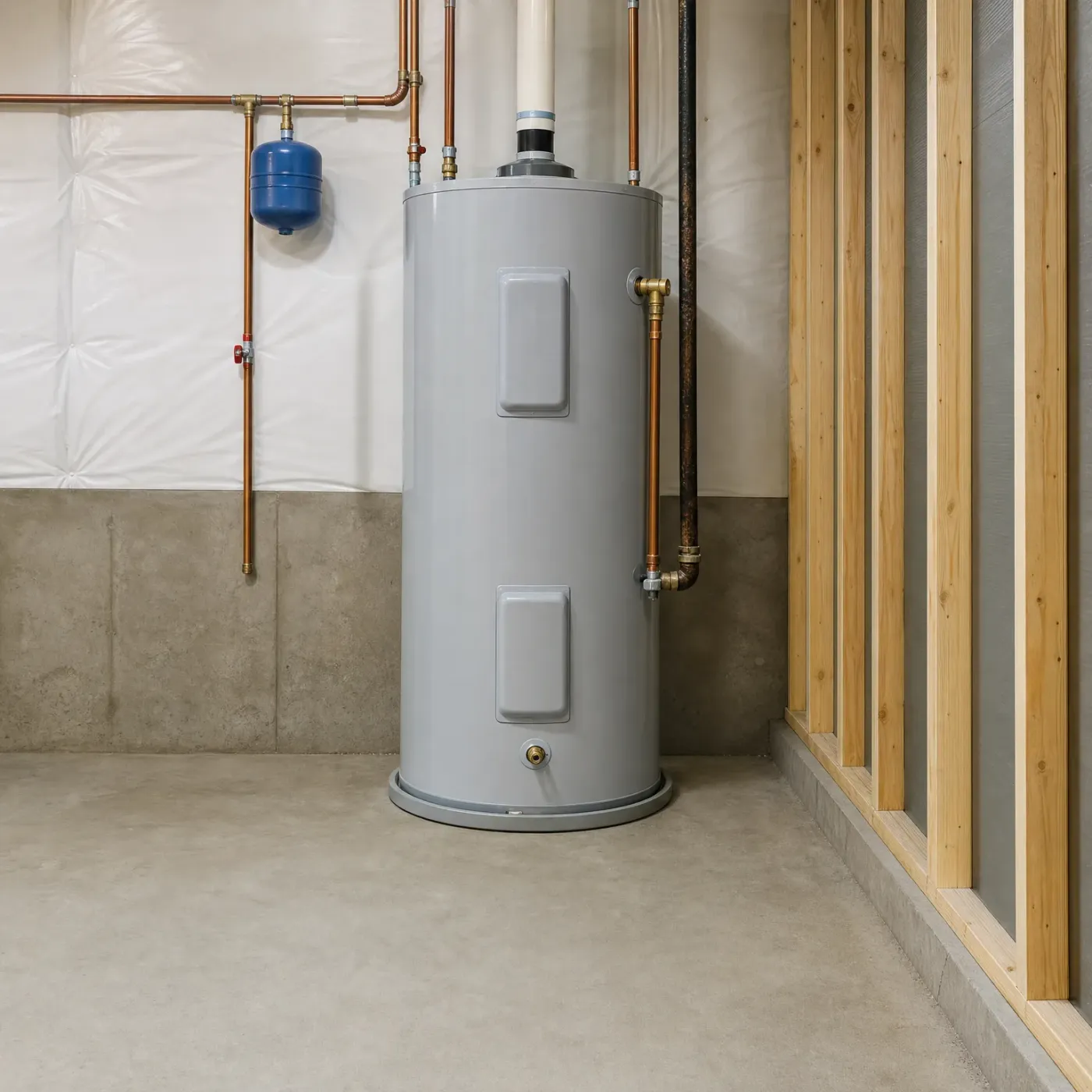
A thermocouple that's failing doesn't always quit all at once. It can hold the pilot for a few days, then a week, then only a few hours, getting worse each time the tank cycles through a hot, dry Utah summer.
That pattern means waiting it out won't fix it. The part has to be replaced, and a gas valve that keeps shutting off the pilot is doing exactly what it's built to do.
78.7% of homes statewide heat with gas
Gas is how almost every home around you keeps hot water running, so the pilot light and thermocouple inside your tank are doing that job right now. When one starts acting up, it's not some rare part. It's the same setup a contractor sees in house after house here.
ACS 2020-2024 5-year B25040



A pilot that won't hold means the thermocouple has had enough
Whatever has been happening with your pilot, the cause is almost always the thermocouple, either dirty, misaligned, or worn past the point of reading the flame right. A draft or a clogged orifice can play a part, but the thermocouple is where most of these end up. Relighting it yourself buys you hot water for a little while. It doesn't fix what's making the flame cut out.
If you're at the point of looking this up, you already know the pattern: lighting it again and again, watching how many hours it holds this time, wondering if tonight's the night it doesn't come back. A licensed plumber can look at the thermocouple, the pilot assembly and the gas valve and tell you which one is actually failing, instead of you guessing from the kitchen table. You won't need to track down who does this work, call a few of them, explain the same thing twice, and sort through quotes to find someone. Send the form once and that part is off your plate.


Water Heater Repair
It's off your list after this

- A local pro who knows water heaters gets your details and gets in touch.
- Tell a local repair pro what your water heater is doing.

- Once you send the form, finding a pro is off your list.
- After you send the request, you're done searching.

- Skip searching for a water heater pro and answer a few questions instead.
- One form replaces the calls you'd make to find a water heater pro.

- The pro who reaches out is licensed in Utah.
- Only one pro gets your request, so you hear from one company.