Tell us about the job
Takes about a minute. No obligation.
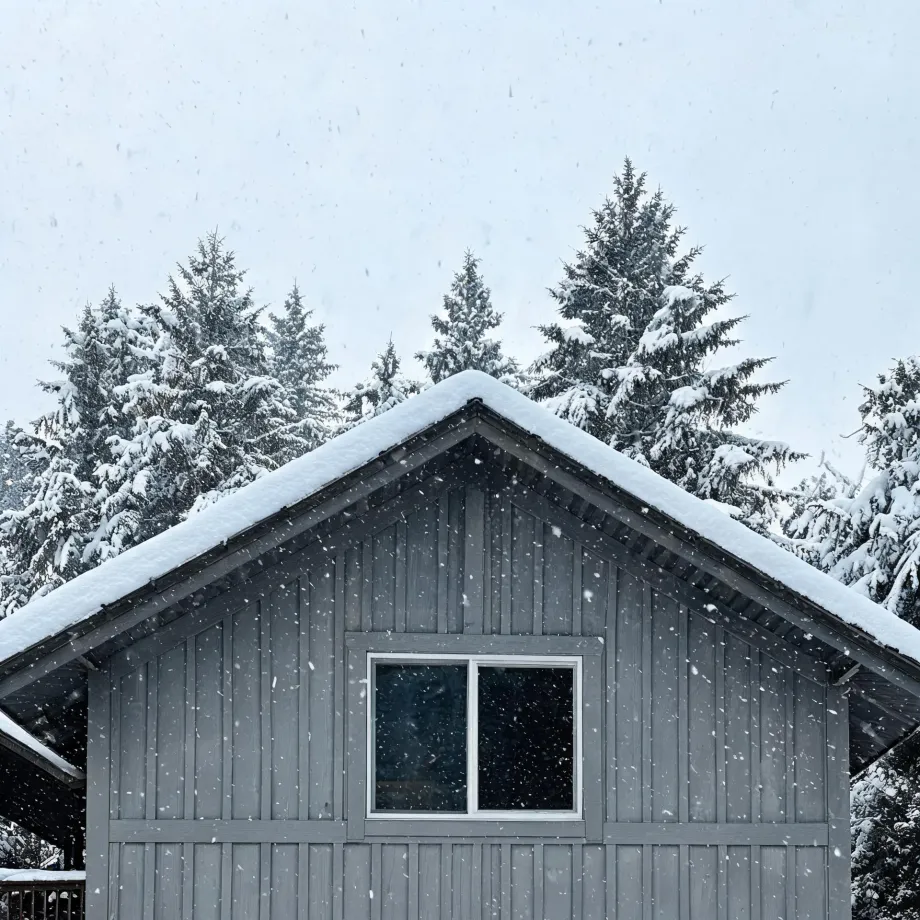
Gas-fired water heaters dominate Davis County homes, and what that means for repair work is that burner assemblies, thermocouples, and gas valves are where contractors spend most of their diagnostic time. Utility gas heats more occupied homes in Davis County, Utah than any other fuel, at 86.4% (2020-2024 ACS 5-year). When a heater stops producing, a contractor checks the burner orifice and ignition system before anything else, because those parts cycle every time the tank calls for heat. A tank that holds water but delivers it cold has almost always failed at the combustion side first.
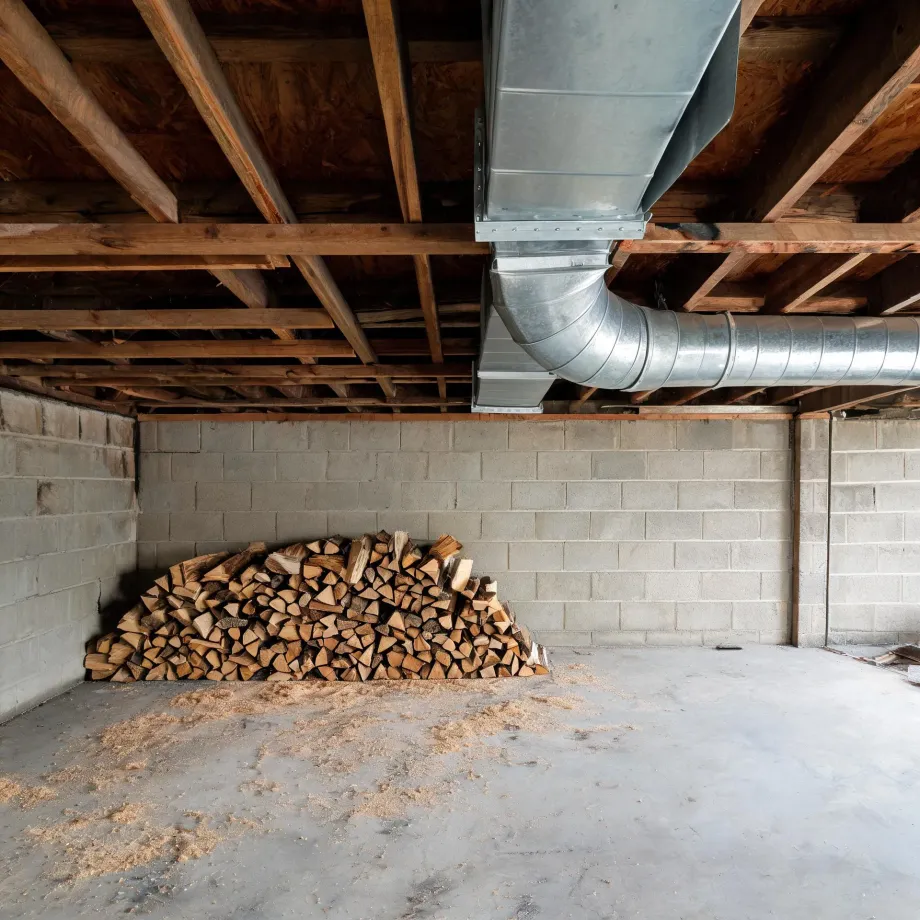
A water heater sitting in a house this old was probably installed well after the house was built, but the unit itself still has years on it, and what a contractor finds when it is open decides how the job goes. Half the homes in Davis County, Utah were built in 1993 or earlier (2020-2024 ACS 5-year). That means a meaningful share of water heaters a contractor pulls apart here are running components from lines that manufacturers have since retired or consolidated, and sourcing those parts adds steps a newer unit would not require. If a part is available, the repair moves forward. If it is not, the homeowner is looking at a replacement conversation instead.
The Parts of a Water Heater a Contractor Checks First
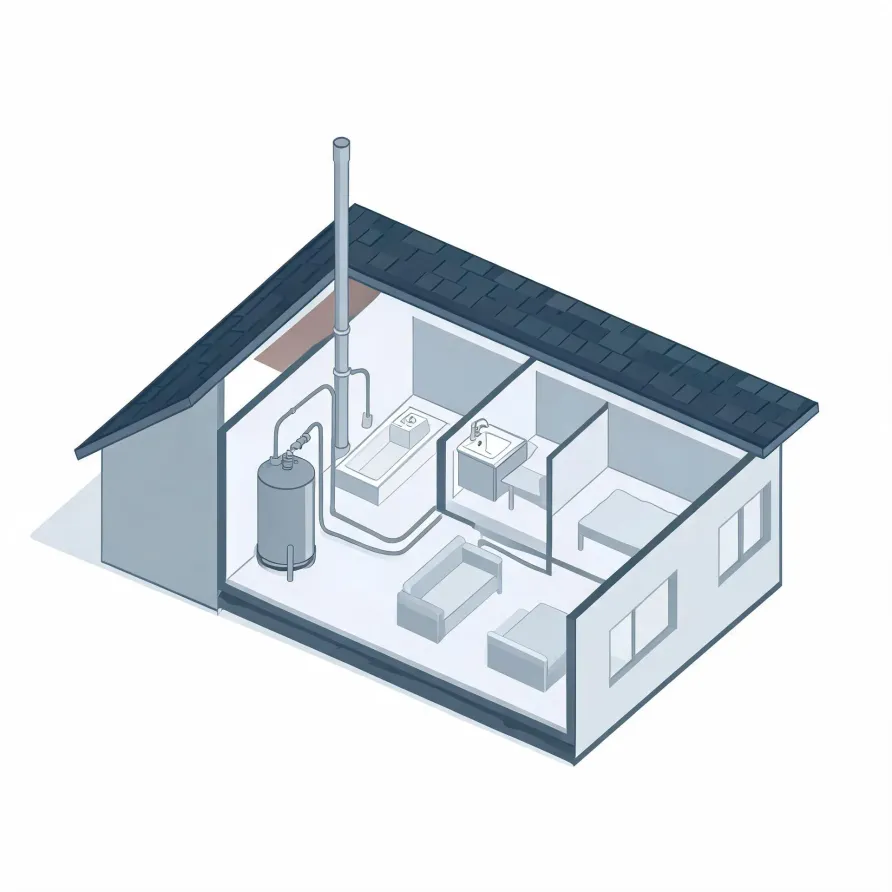
The tank is the center of the system, sitting in a utility room, basement, or garage, and its job is to hold and heat a supply of water ready for use. The heating element or burner assembly sits inside or beneath the tank and is where a contractor looks when water stops getting hot or stops heating evenly.
The pressure relief valve mounts on the side of the tank and opens automatically if pressure builds too high inside. The anode rod runs down into the tank's interior and slows corrosion of the tank walls. The dip tube, inlet and outlet connections, and thermostat round out what a contractor will work through when tracing a fault.
The drawing shows a general layout of these components, and a licensed contractor determines what applies to the specific unit and installation in your home.
Get matched in Davis CountyDavis County, by the numbers
118 severe weather events were recorded in Davis County, Utah between 2015 and 2024.
NOAA National Centers for Environmental Information, Storm Events Database, bulk CSV export, events 2015-01-01 through 2024-12-31.Half the homes in Davis County, Utah were built in 1993 or earlier (2020-2024 ACS 5-year).
U.S. Census Bureau, 2020-2024 American Community Survey 5-Year EstimatesDavis County, Utah holds 120,879 housing units (2020-2024 ACS 5-year).
U.S. Census Bureau, 2020-2024 American Community Survey 5-Year EstimatesOwners occupy 77.3% of the occupied homes in Davis County, Utah (2020-2024 ACS 5-year).
U.S. Census Bureau, 2020-2024 American Community Survey 5-Year EstimatesCodes & Standards Governing Water Heater Repair in Davis County, Utah2 sourced rules and standards
Licensing and Legal Requirements in Davis County, Utah
Utah’s contractor licence does not reach alteration, repair, remodelling or improvement of a building worth less than $7,000 in labour and materials together, counting every change and addition to the agreed work — though the plumbing and electrical trades are pulled back under licensure even below that figure.
Utah requires a state licence before engaging in a licensed construction trade or contracting activity, and HVAC contractor is one of the licence classifications the state issues.
Weather Stress on Water Heaters in Davis County
Utility demand, temperature swings, and storm events all put pressure on water heaters, shortening working life and pushing units toward failure. How hard that pressure runs depends on local conditions, which is why weather history in this county shapes what repair contractors see here.
118 severe weather events, 2015–2024. Source: NOAA National Centers for Environmental Information, Storm Events Database.