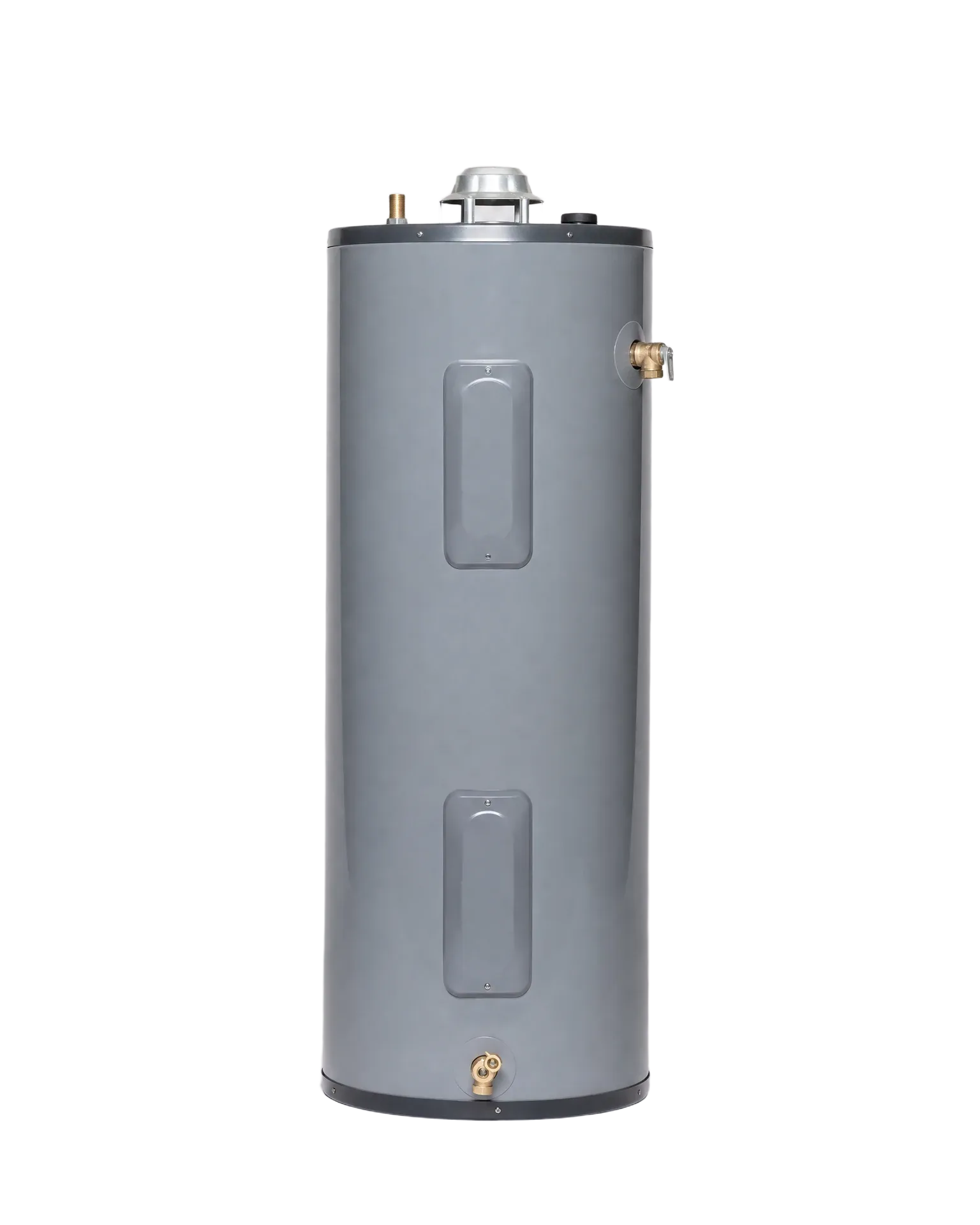
Running out of hot water fast usually means the tank can't keep up with what the house is asking of it, or it isn't heating as well as it used to. Most homes in Utah run a gas water heater, and the burner is what recovers your hot water between showers. If the burner is dirty, the thermocouple is failing, or sediment has built up on the bottom of the tank, recovery slows down and the tank runs out faster even though nothing about your usage changed. A tank that once lasted through two showers back to back might now struggle to finish one. Sediment is the most common cause, since it sits between the burner and the water and acts like insulation, making the burner work harder to heat less water. A bad dip tube can also cause this, letting cold incoming water mix straight into the hot water near the top of the tank. Either way, it points to the tank itself needing a look, not a change in how your household uses hot water.
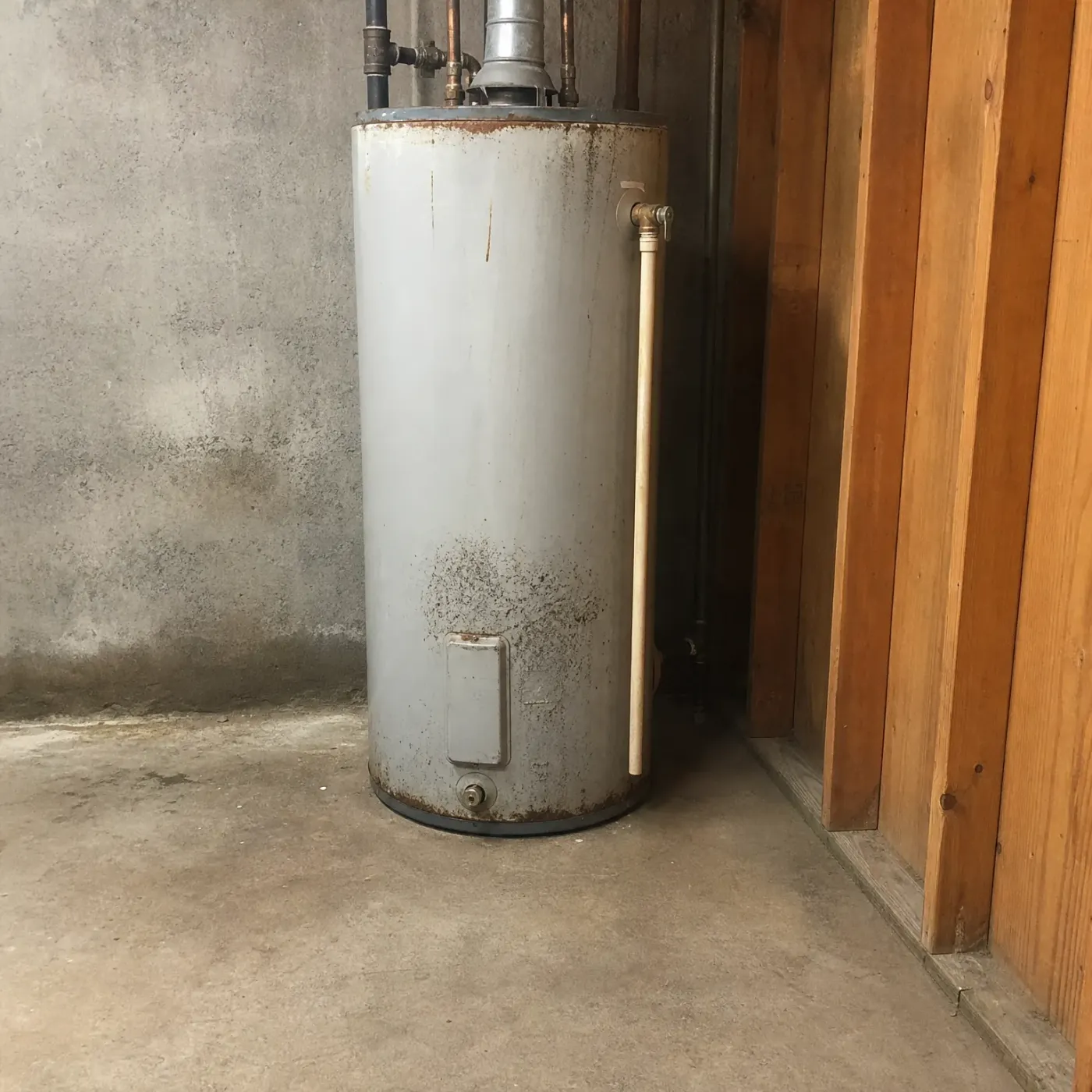
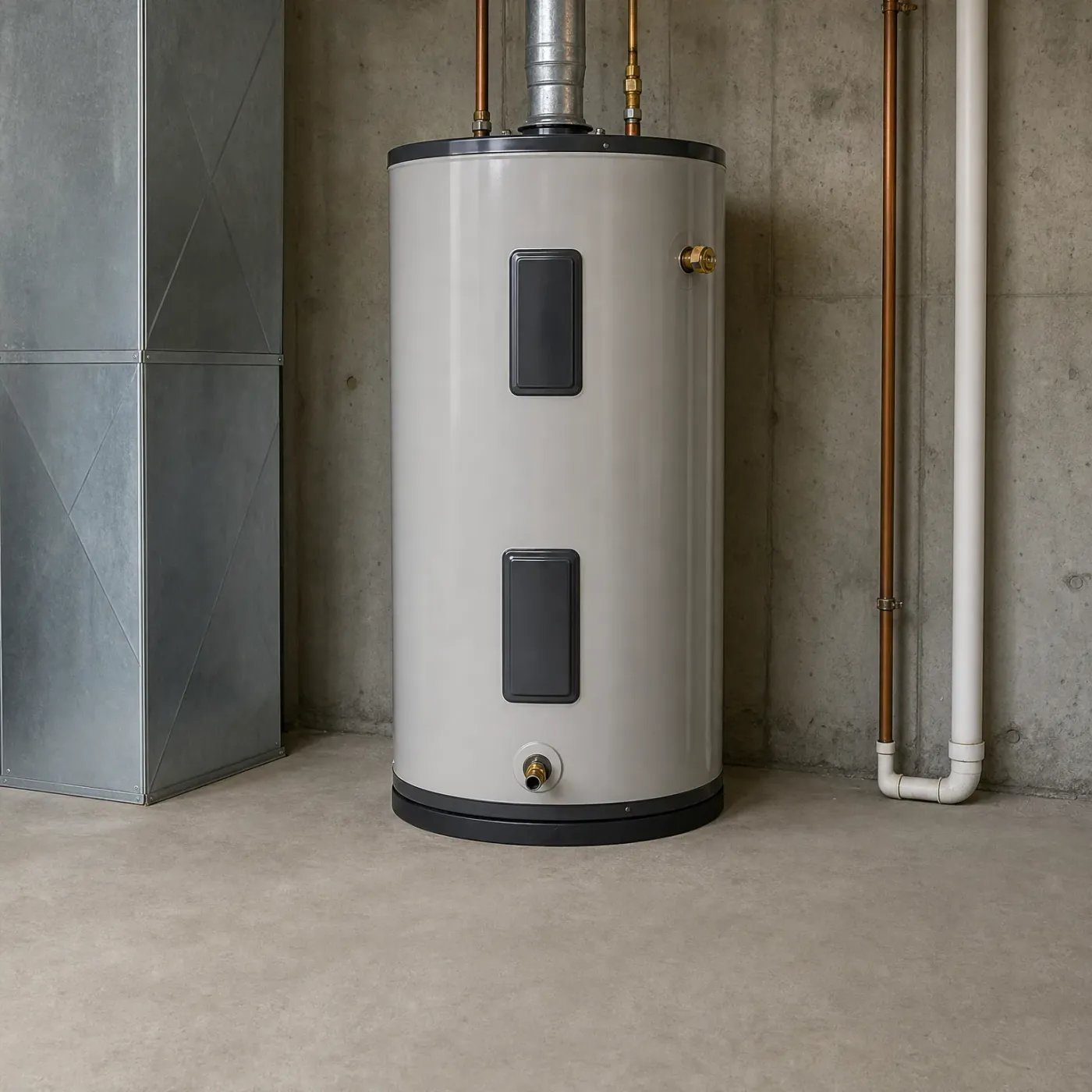
A gas water heater only makes hot water as fast as the burner can recover it, firing under the tank until the thermostat reads the set temperature again. When that cycle gets interrupted, the tank falls behind what the house needs. A dirty thermocouple or a failing gas valve can make the burner short-cycle, shutting off before the water fully heats. Sediment at the bottom of the tank makes the problem worse, since it sits between the flame and the water and has to heat through before anything above it warms. A tank loaded with sediment can lose several gallons of usable capacity, even though it looks the same from the outside. Inside, the dip tube is supposed to send incoming cold water to the bottom, away from where the hot water draws from. A cracked dip tube lets that cold water mix in near the top instead, so what comes out the tap is cooler than the thermostat setting would suggest. Utah's water carries enough mineral content that this kind of buildup tends to happen faster here than in places with softer water.
Why the tank falls behind
- A gas water heater recovers hot water by firing the burner under the tank until the thermostat senses the set temperature again.
- If the burner cycles on and off quickly without fully heating the tank, a dirty thermocouple or a failing gas valve is often the cause.
- Sediment that settles at the bottom of the tank sits between the burner and the water, so the flame has to work through that layer before the water above it heats.
- A full tank of sediment can cut the usable hot water capacity by several gallons without the tank ever looking different from outside.
- The dip tube feeds cold water to the bottom of the tank, and a cracked dip tube lets that cold water mix in near the top, where the hot water draws from.
- Utah's water carries enough mineral content that sediment buildup happens faster here than in places with softer water.


Matched to your water heater job
A tank that used to carry three showers and now runs out after one has lost recovery speed somewhere between the gas valve and the burner. Sediment on the bottom of the tank makes the burner work through a layer of scale before it ever reaches the water, and in a lot of Utah homes that buildup is worse because of how hard the water is coming in. A thermocouple reading the flame wrong will shut the gas valve early and cut your recovery time short without you ever smelling gas or hearing anything wrong. None of that sorts itself out by waiting through another cold shower. A plumber who services water heaters in your part of Utah every week has seen which of these it usually is on a tank your age and setup, and can tell you from a few questions whether this is a part worth repairing or a tank near the end of its run. One contractor gets your request, so you are dealing with someone who already knows the local water before they knock on your door.
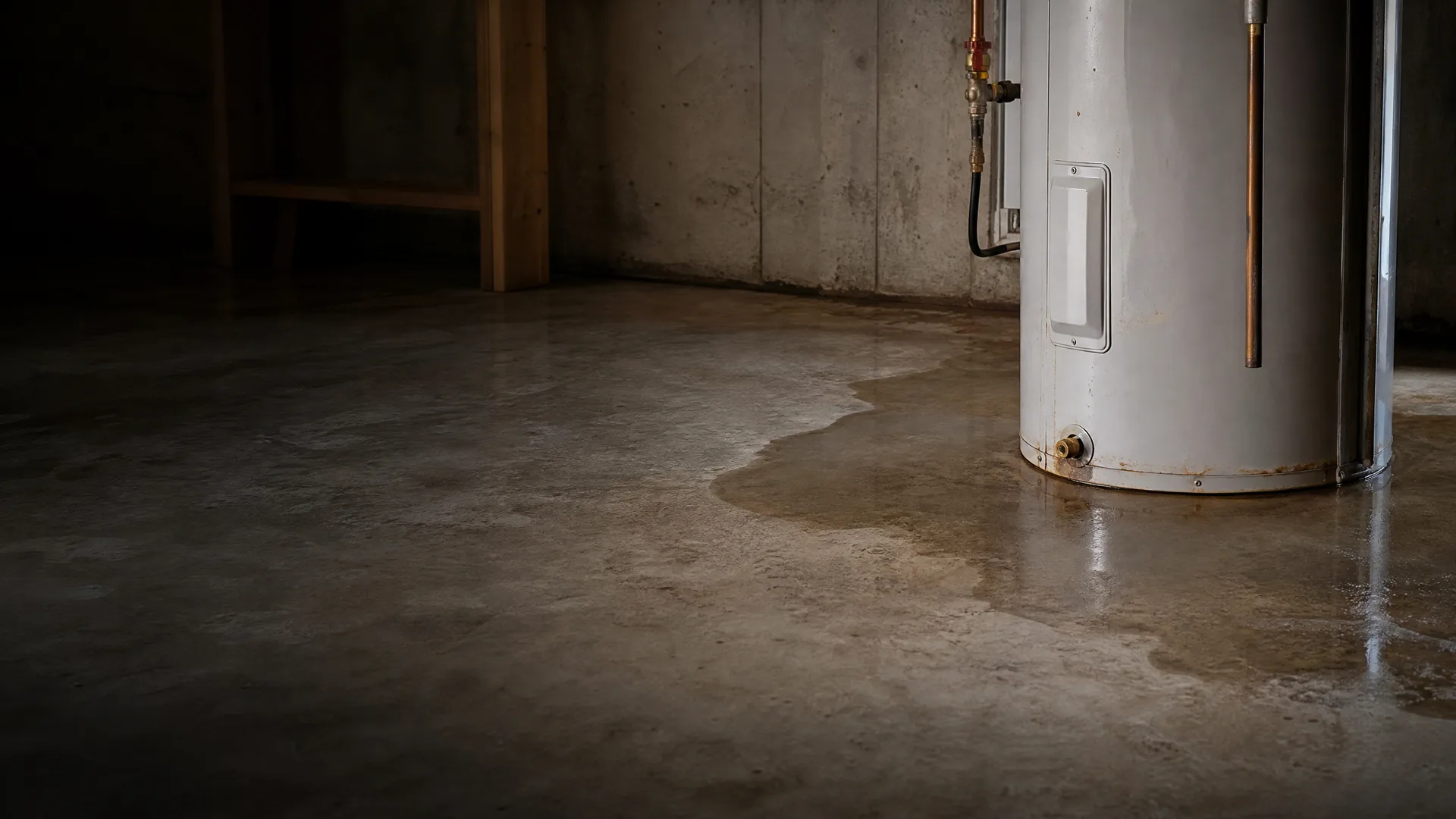
Saturday morning, and you've got a load of towels going while the water heater sits in the corner of the basement doing its job like always. You go down to switch the laundry and your sock lands in water. A thin pool has spread out from the base of the tank, soaking into the concrete toward the drain. The tank itself looks fine from the outside, no cracks, no rust streaks down the side. You crouch down and feel along the bottom seam, and that's where it's coming from, a slow weep that's been building since who knows when. The burner's still running under there. The water in the pool is warm.
78.7% of homes statewide heat with gas
Chances are your water heater runs on gas, like most homes in Utah. That means a burner, not an electric element, does the work of bringing a tank back up to temperature. When recovery slows down, gas-fired tanks usually show it fast, since the burner's the first thing to tell on a sediment problem or a bad thermocouple.
ACS 2020-2024 5-year B25040
Where the hot water went
- Running out of hot water fast almost always comes down to recovery, not tank size, since the burner has slowed down somewhere.
- A gas burner that cycles without bringing the tank back to temperature points to a dirty thermocouple or a failing gas valve.
- Sediment sitting on the tank bottom makes the burner heat through scale before the water ever warms up.
- A tank that covered three showers and now quits after one has lost recovery speed between the gas valve and the burner.
- Checking the burner, the thermocouple and the bottom of the tank tells you more than guessing at the thermostat setting.
- A licensed plumber who works on gas water heaters regularly can trace the slowdown to its source instead of swapping parts at random.
The tank in your basement or closet isn't suddenly too small. It's not heating back up the way it used to. A gas water heater recovers by firing the burner until the thermostat reads satisfied, and when that process slows down, the shower after next runs cold instead of warm. A few things cause that slowdown, and they sit in different parts of the tank. Sediment collects on the bottom over time, and the burner ends up heating through that layer before it reaches the water above it. A thermocouple that's gone dirty or worn can make the burner cycle without ever bringing the tank fully up to temperature, so it feels like it's running the whole time but never catches up. A failing gas valve does something similar, cutting the burn short or weak. None of these show up by checking the thermostat dial. They show up by looking at the burner itself, the thermocouple, and what's settled at the bottom of the tank. That's the difference between a guess and a diagnosis. A plumber who works on gas water heaters through Utah's hot, dry summers and cold winters has seen this pattern enough times to know where to look first. Getting matched with one licensed, local contractor means someone shows up who already knows what's usually behind a tank that used to last three showers and now taps out after one.




Water Heater Repair
A water heater pro near you
Your request goes to one pro, not a list of companies.
