









Why your water heater makes popping noises in Utah

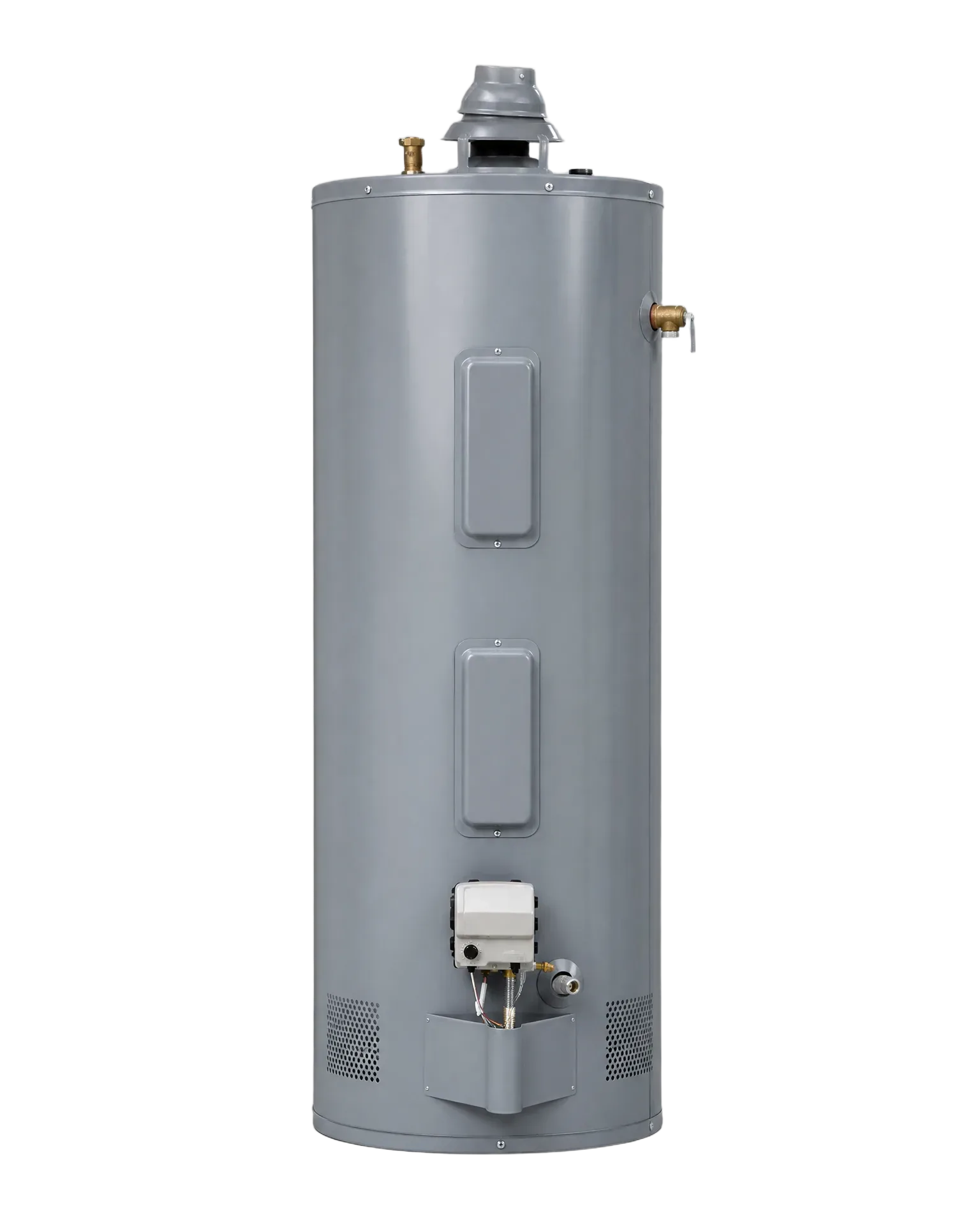
A gray cylindrical gas water heater with a top flue hood, brass fittings, two access panels, a control valve and burner cover, photographed against a plain gray background.
Get matched

Why is my water heater making popping noises?

Popping or rumbling from the tank usually catches people off guard, especially if the water heater has run fine for years. It tends to get louder over time instead of going away on its own, which is what makes people start paying attention to it. You're not imagining it, and it's not random. The noise is the tank telling you something specific is happening inside it, and where you live has a lot to do with why it's happening now.

It's sediment built up on the bottom of the tank

Water here carries a lot of minerals, and over time they settle out as sediment on the bottom of the tank. When the burner or heating element fires, water gets trapped under that layer and turns to steam. The popping sound is those pockets of steam breaking loose through the sediment. The more sediment that builds up, the louder and more frequent the popping gets. It also means the heater is working harder to heat water through that layer, since the sediment sits between the heat source and the water. Left alone, it can shorten how long the tank lasts and, on gas units, can scorch the bottom of the tank where the burner sits underneath it.

A woman with long wavy brown hair in a grey ribbed sweater sits on a couch indoors, looking toward a window, with a potted palm-like plant and fireplace behind her.
A woman with long brown hair wearing a green V-neck top and beige cardigan sits on a light sofa, looking off to the side, with a dining table, lamp and framed picture in the background.
A woman with long dark hair in a cream knit sweater sits on a beige sofa indoors, looking toward a bright window with a houseplant and framed picture in the background.
A woman with long dark hair in a green knit sweater sits on a couch indoors, smiling and looking toward a window with a blurred room behind her.

Is this just a noisy tank, or something more?

You'll hear it most when the burner kicks on, a low rumble or a series of sharp pops from down inside the tank. Some mornings it's loud enough to notice from another room. The water itself is usually fine, still hot, still running normal. What's happening is sediment built up on the bottom of the tank, and water trapped under it is boiling and popping through. Left alone, that layer keeps the burner working harder to heat the same amount of water, and over time it can wear through the tank bottom. A water heater that's starting to leak isn't something you want to find out about from a wet spot on the floor.

  1. Hard water minerals settle and harden into a layer on the tank bottom.

  2. The burner fires underneath, heating metal through that layer first.

  3. Water trapped under the sediment turns to steam as it heats.

  4. Steam bubbles force their way up through the hardened layer.

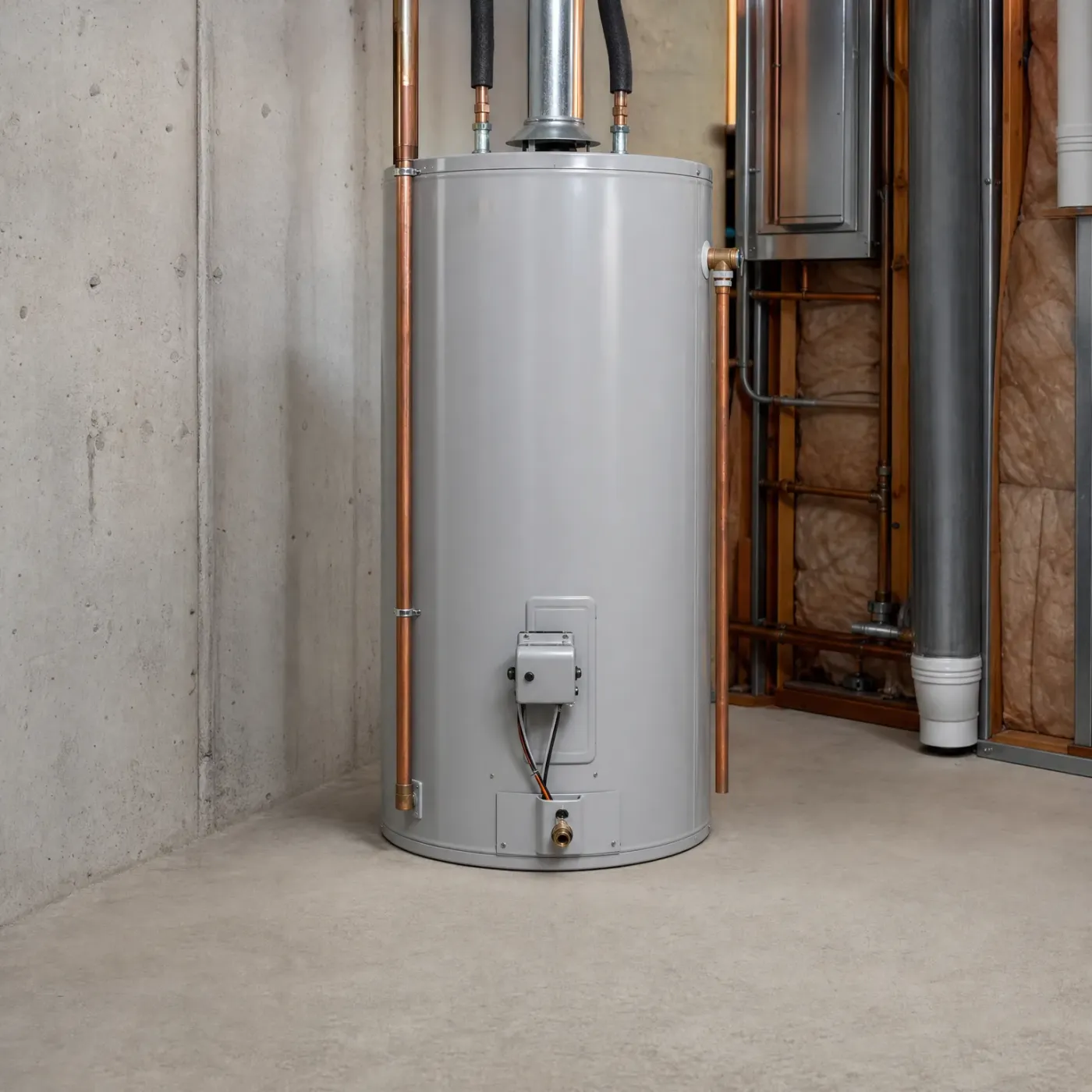
A gray cylindrical water heater stands in a basement corner against a concrete wall, with copper pipes, insulated flex lines, a metal flue, and insulated wall framing with ductwork to the right.
A tank like this is still working the way it should, popping aside, as long as the burner lights clean and the pipes show no rust.
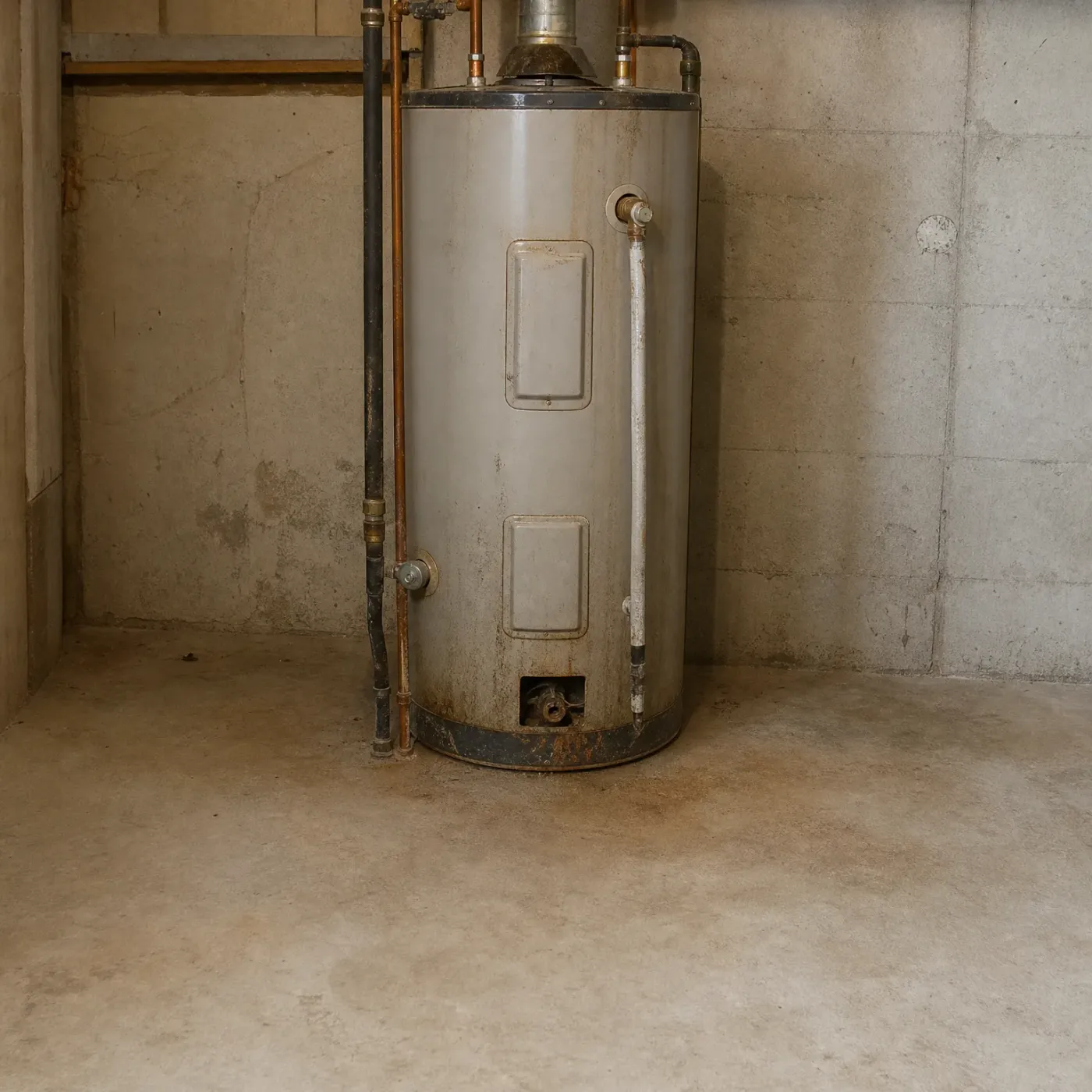
A rusting gas water heater with copper and steel pipes stands against a concrete block wall on a bare concrete floor.
Rust and corrosion at the base mean the tank itself is failing, and popping is the least of what's going wrong inside it.

That layer of sediment is sitting between the burner and your water, and every gallon has to heat through it first. You'll likely notice your gas bill creeping up before anything else changes, since the burner now runs longer to get the same hot water out of the tap. Some households also notice the hot water runs out faster than it used to, because the sediment is taking up space the tank used to hold water in. Left alone, that layer keeps hardening and thickening against the steel floor of the tank. The popping itself won't damage anything by sitting there, but the burner working that much harder, firing longer and more often, puts real wear on the tank over time. If you've got kids or anyone home who showers back to back, a shorter supply of hot water is the thing you'll feel first, before you ever think about what's causing the noise underneath it.

A gray-haired woman in a cream knit sweater stands in a dimly lit kitchen at night, looking to her right, with a round loaf of bread in the foreground and a dark window and potted plant behind her.
A woman and a sleeping child wrapped together in a cream knitted blanket on a couch, with a potted plant, framed photo and lit lamp in the background.
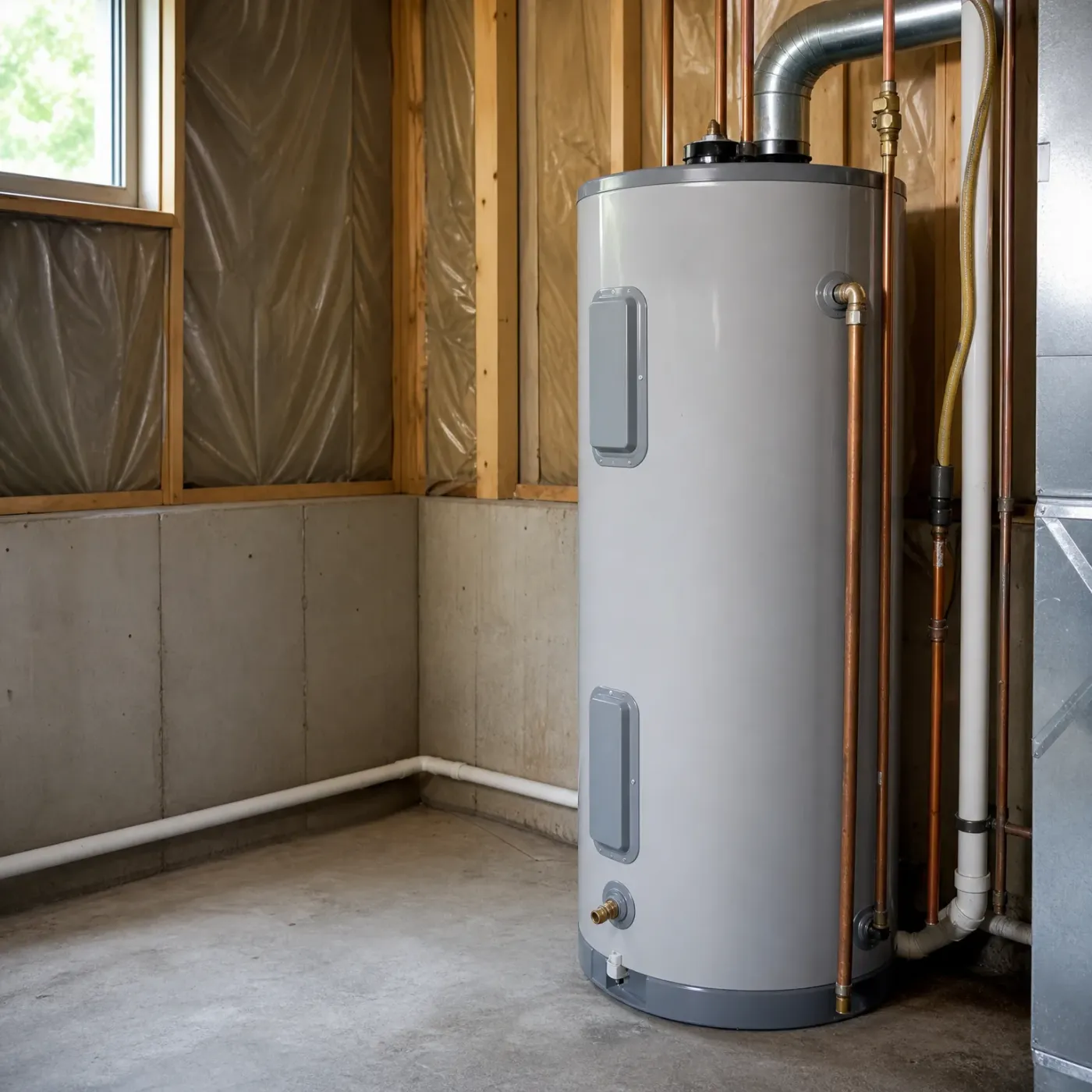
A gray cylindrical water heater stands in a basement corner with exposed wood framing, plastic vapor barrier, concrete walls and floor, copper and PVC piping, and a metal flue vent.

A local pro for your water heater repair

Your request goes to one pro, not a list of companies.

Say what's going on with your water heater, and a pro who works on them reaches out.

Find a water heater pro

Sending the form costs nothing.

A gray cylindrical gas water heater with copper and black pipes stands in the corner of a basement with concrete block walls and a bare concrete floor.
Before you get your water heater repair
A gray cylindrical water heater standing in a basement corner against a concrete wall, with copper and black pipes, a metal flue, and ductwork nearby, next to wood framing on the right.
After you get your water heater repair
A gray cylindrical water heater standing on a concrete floor in a basement corner, with copper pipes and a metal duct running overhead along bare concrete walls.

Tank still sound

Copper lines run clean to the top of the tank, and the vent pipe sits solid above it. The popping comes from sediment on the bottom, not from the tank itself. A contractor who flushes it out regularly can usually quiet it down before it turns into anything worse.

A white cylindrical water heater with rust stains and two access panels stands in a basement corner between a painted concrete block wall and a bare concrete wall, with metal pipes running up and alongside it on a concrete floor.

Tank past its point

Rust has eaten into the steel around the base, and that drain valve has likely seized up from it. Once corrosion shows like this, the popping isn't the problem anymore. A licensed local contractor can tell you fast whether this one's worth repairing or needs to come out.

78.7% of homes statewide heat with gas

Most homes in Utah heat water with a gas burner firing under the tank. That direct flame is exactly what turns hidden sediment into the popping you're hearing, so the noise points straight at the tank, not the gas line or burner itself.

ACS 2020-2024 5-year B25040

What the popping tells you

  • Popping means sediment has built up on the tank bottom, not that the water heater is failing.
  • A contractor can flush that layer out and quiet the tank down without replacing anything.
  • Left alone, the burner keeps working harder against that sediment and your gas bill keeps climbing.
  • Rust or corrosion at the base is a different problem and means repair alone won't fix it.
  • A local contractor who flushes tanks all year in Utah's hard water knows exactly where to check first.
  • You're matched with one licensed contractor for your home, not a handful of companies calling you back.

The noise itself has an answer. Sediment has settled on the bottom of the tank, and the burner underneath is heating water through that layer instead of around it. That's the pop you hear, steam pushing up through hardened mineral deposits. It's not a sign the tank is failing, and it's not something to just live with either, since the burner keeps working harder every month it goes unchecked and your gas bill reflects that. A flush clears the sediment out and quiets things down, no replacement needed, as long as the tank itself is sound. Rust or corrosion at the base is the exception. That's a different problem, and no flush fixes a tank that's corroding from the inside.

Utah's hard water is why this builds up here in the first place, and it's why someone who works on tanks in this water all year knows where to look before touching anything. That kind of experience matters more than it sounds like it should. A contractor who flushes sediment out of gas water heaters every week in this area has seen which fittings corrode first, which tanks are worth saving, and which popping is routine versus a warning sign. When you request a repair, you're connected with one licensed contractor local to your area, not a list of companies competing for the callback. They look at your water heater once, knowing the water and the equipment common to homes here, and tell you straight whether a flush solves it or something underneath needs more attention.

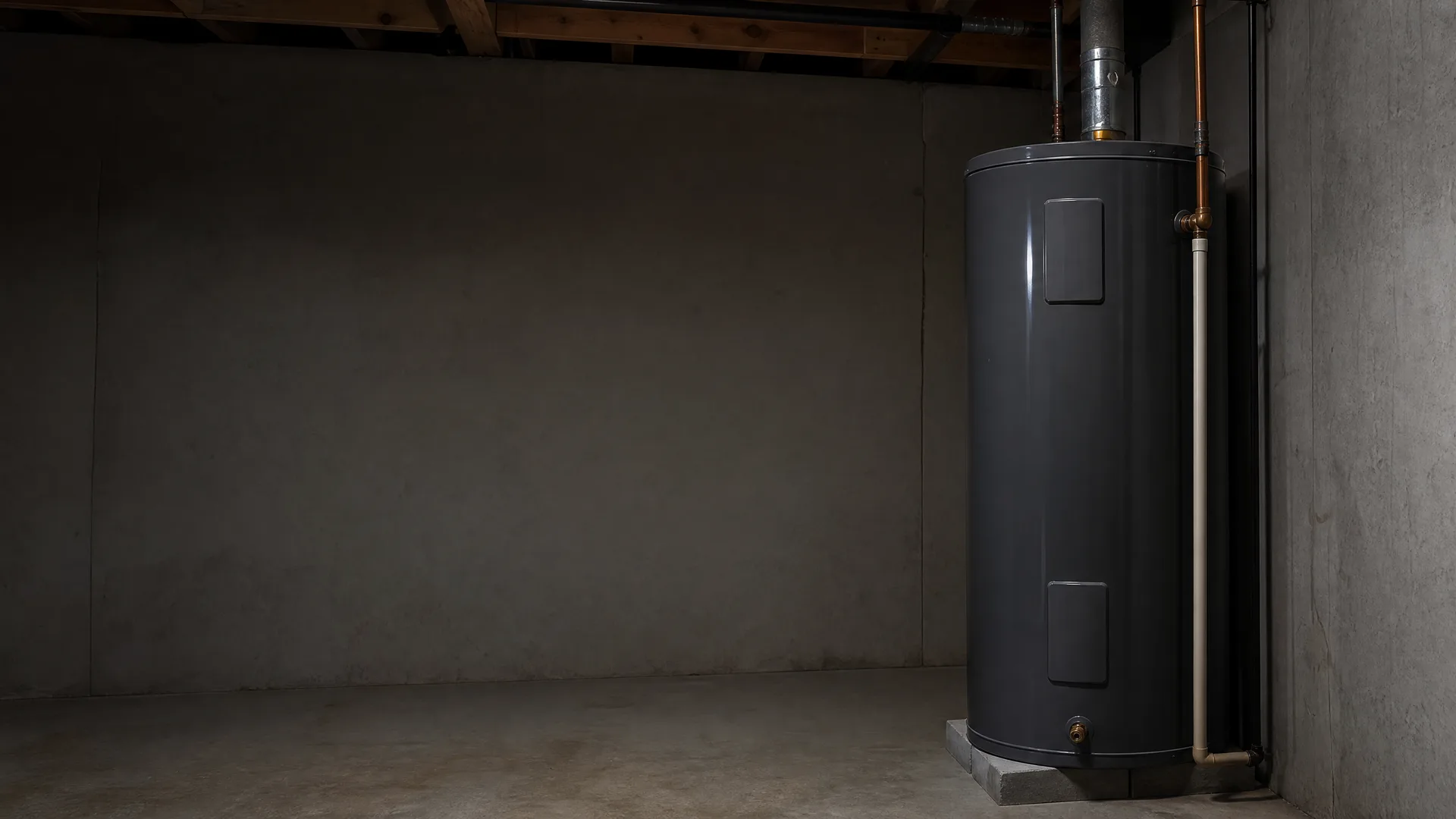
A dark gray cylindrical water heater with copper and metal pipes stands on a concrete pad in the corner of a dim basement with bare concrete walls and exposed floor joists overhead.

Get the right pro for your water heater

The pro who reaches out is licensed in Utah.

Step 1 of 3: Equipment