Tell us about the job
Takes about a minute. No obligation.
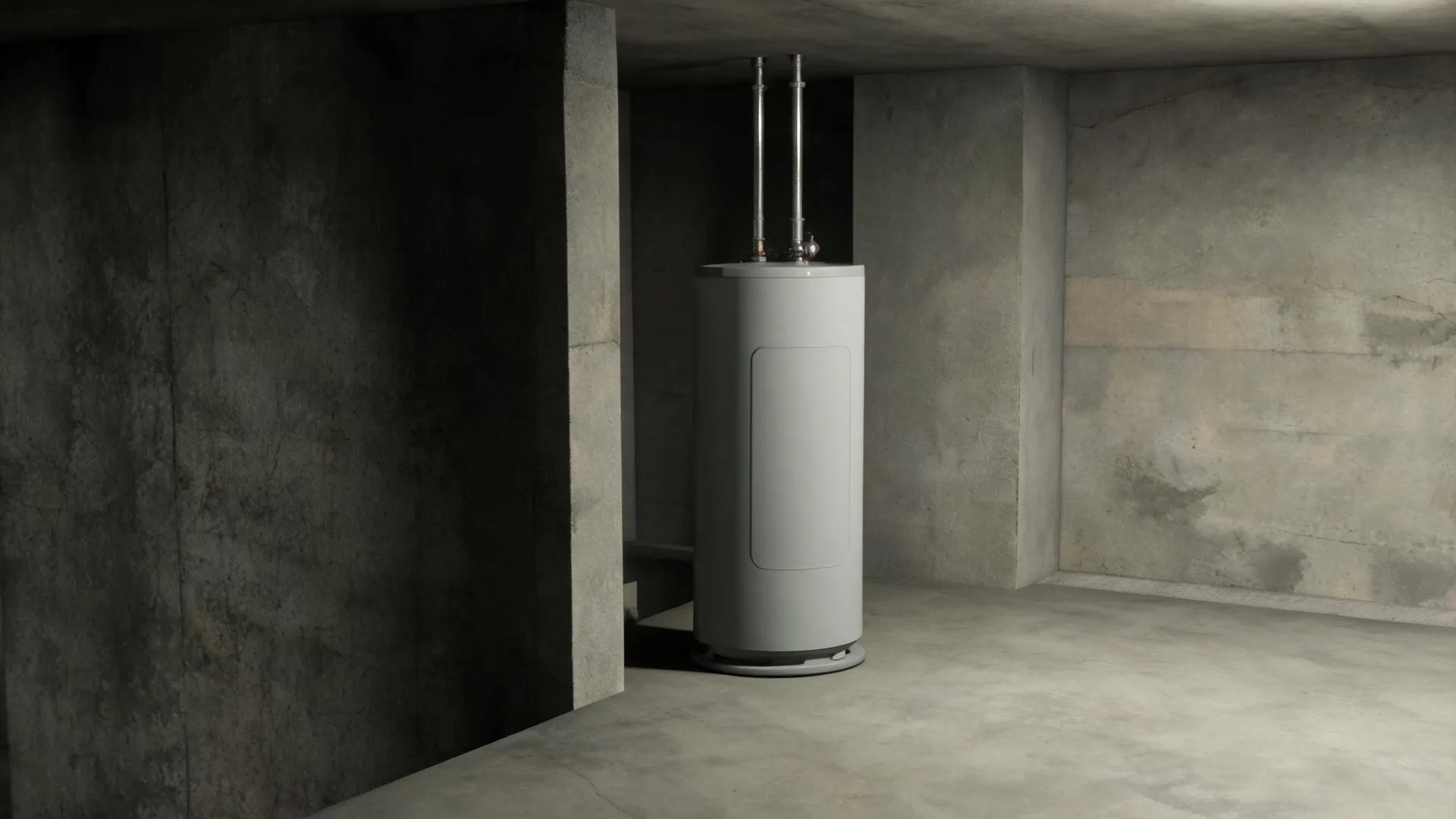
Gas-fired water heaters run every day of the year, not just through a heating season, so the parts that cycle on every draw of hot water accumulate wear steadily. Utility gas heats more occupied homes in Uintah County, Utah than any other fuel, at 60.2% (2020-2024 ACS 5-year). That dominance means a contractor troubleshooting a failed or underperforming unit is almost always working with a gas appliance, which puts the burner orifice, thermocouple, and gas valve at the front of any inspection. Sediment from the local water supply compounds that wear from the inside, accelerating corrosion on the tank lining and reducing heat transfer at the burner.
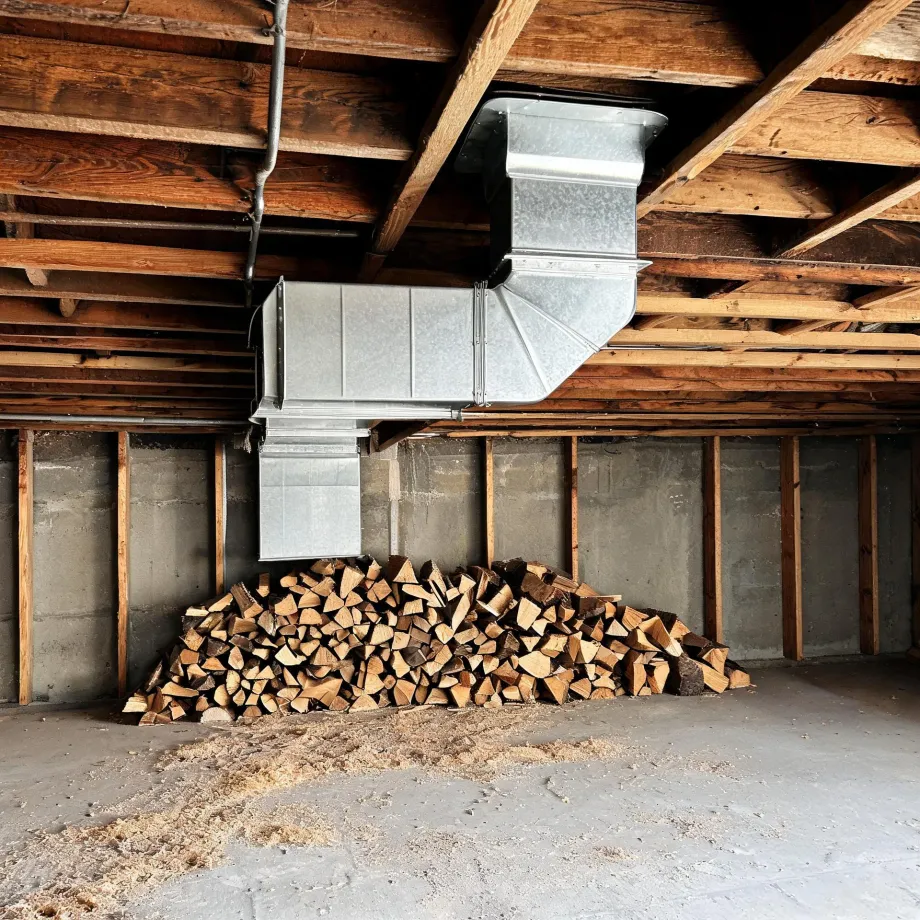
Water lines corrode on their own schedule, and in a house old enough that its plumbing predates the current heater, a contractor opening up a repair finds conditions the manufacturer's instructions do not account for. Half the homes in Uintah County, Utah were built in 1992 or earlier (2020-2024 ACS 5-year). That means a significant portion of the county's homes were plumbed and utility-spaced for equipment that has since been swapped out at least once, leaving fittings, shutoffs, and venting paths that fit the old unit better than the new one. What a contractor quotes for a repair here includes whatever it takes to work inside that inherited configuration.
The Parts of a Water Heater a Contractor Checks During Repair
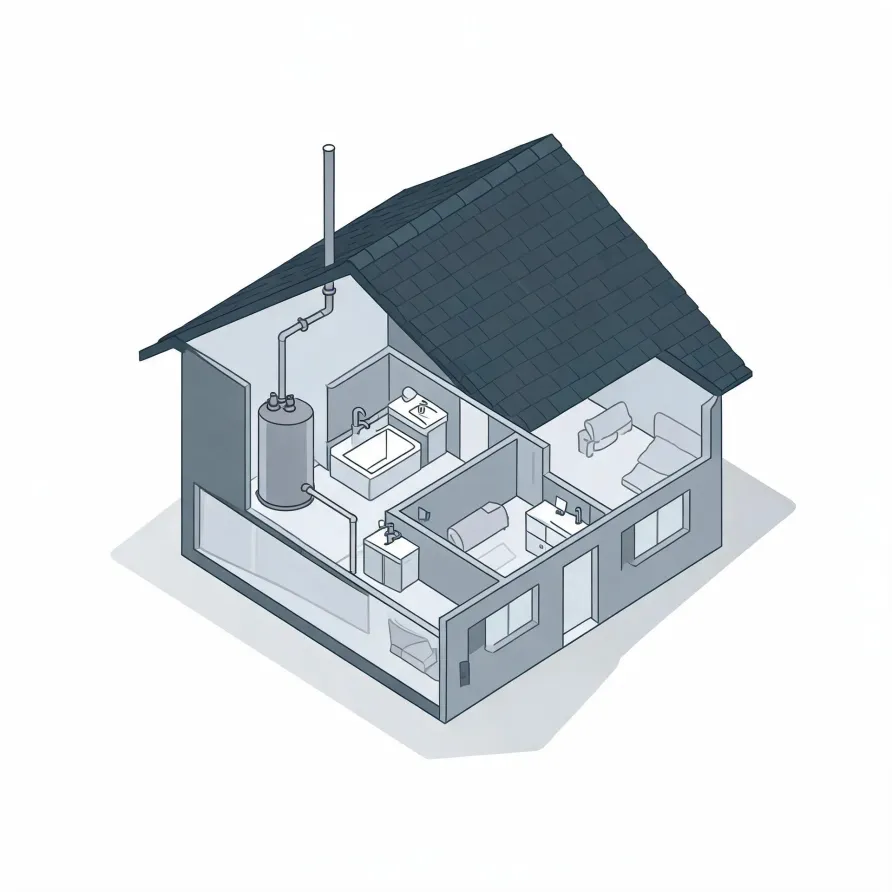
The tank is the piece most homeowners can point to, usually standing in a utility closet, garage, or basement. It holds and heats the water supply for the house. When something is wrong with the tank itself, a lining, a fitting, or a port, the signs tend to be water where it should not be or pressure that behaves strangely.
The burner assembly or heating element sits at the base or inside the tank depending on the fuel type, and the thermostat that controls it is mounted on the outside wall of the tank. The anode rod runs down the tank's interior and takes on corrosion so the tank walls do not. The pressure relief valve, typically mounted near the top, is a safety device a contractor checks because a failed one goes unnoticed until it matters.
The drawing shows the general layout of a water heater system, and a licensed contractor determines what applies to the specific unit and setup in your home.
Get matched in Uintah CountyUintah County by the numbers
101 severe weather events were recorded in Uintah County, Utah between 2015 and 2024.
NOAA National Centers for Environmental Information, Storm Events Database, bulk CSV export, events 2015-01-01 through 2024-12-31.Half the homes in Uintah County, Utah were built in 1992 or earlier (2020-2024 ACS 5-year).
U.S. Census Bureau, 2020-2024 American Community Survey 5-Year EstimatesUintah County, Utah holds 13,838 housing units (2020-2024 ACS 5-year).
U.S. Census Bureau, 2020-2024 American Community Survey 5-Year EstimatesOwners occupy 73.5% of the occupied homes in Uintah County, Utah (2020-2024 ACS 5-year).
U.S. Census Bureau, 2020-2024 American Community Survey 5-Year EstimatesCode & Licensing Record for Water Heater Repair in Uintah County, Utah2 sourced rules and standards
Licensing and Legal Requirements in Uintah County, Utah
Utah’s contractor licence does not reach alteration, repair, remodelling or improvement of a building worth less than $7,000 in labour and materials together, counting every change and addition to the agreed work — though the plumbing and electrical trades are pulled back under licensure even below that figure.
Utah requires a state licence before engaging in a licensed construction trade or contracting activity, and HVAC contractor is one of the licence classifications the state issues.
Severe Weather Events in Uintah County
Hard weather puts stress on water heaters: temperature swings, power surges, and pressure fluctuations all add to the load a unit carries over its life. How often those conditions hit Uintah County shapes how hard local equipment works and what repair contractors see most.
101 severe weather events, 2015–2024. Source: NOAA National Centers for Environmental Information, Storm Events Database.